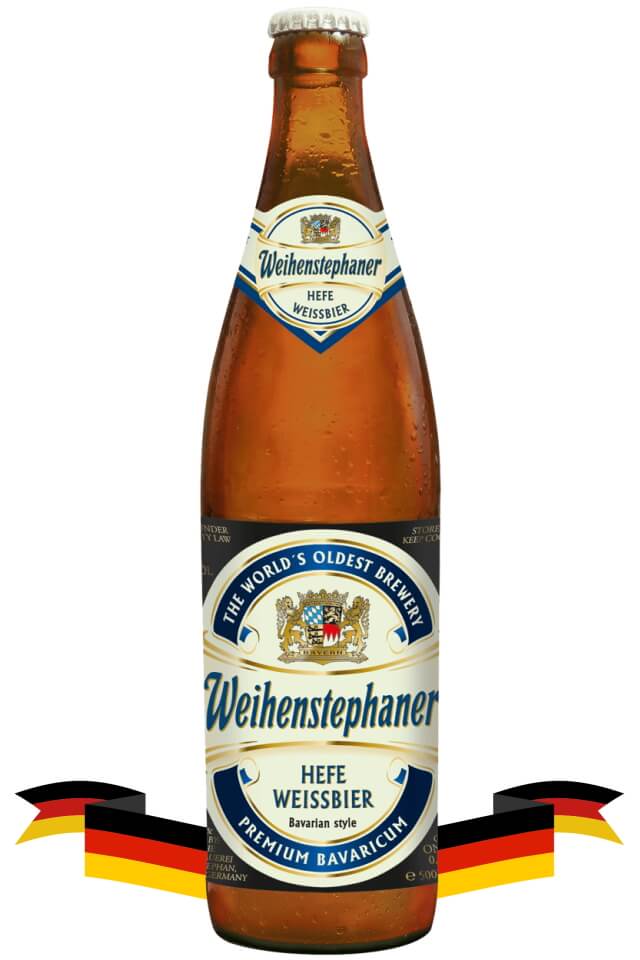
Cloudy, golden and topped with a thick, rocky head, German wheat beer is one of the most recognisable beers in the world. In Bavaria it is part of everyday life, from a late-morning Weisswurst breakfast to a long afternoon in the beer garden. In Australia’s warm climate, its fruity, refreshing character makes just as much sense.
Germans call it Weissbier (“white beer”) or Weizenbier (“wheat beer”), and the two names mean the same thing. Whatever you call it, a German wheat beer is brewed with at least 50 per cent malted wheat and a special top-fermenting yeast. That yeast is the secret: it produces the famous aromas of banana and clove without any fruit or spice being added.
Below are twelve of the best German wheat beers, covering every major style, from the classic cloudy Hefeweizen to dark, strong and alcohol-free versions. Most of them are imported into Australia and can be found at larger bottle shops and specialist beer stores.
The styles of German wheat beer at a glance
Before we get to the list, it helps to know the main styles you’ll see on the label:
| Style | What it is | Typical ABV |
|---|---|---|
| Hefeweizen / Hefeweissbier | Unfiltered and cloudy, with yeast left in the bottle. The classic. | 5–5.5% |
| Kristallweizen | Filtered and crystal clear, lighter and crisper. | 5–5.5% |
| Dunkelweizen | Brewed with darker malts for caramel, bread and toffee notes. | 5–5.5% |
| Weizenbock | A strong wheat beer, rich and warming. | 7–8.5% |
| Alkoholfrei | Alcohol-free wheat beer, hugely popular in Germany. | under 0.5% |
1. Weihenstephaner Hefeweissbier (5.4%)
If there is one German wheat beer to try first, it is this one. Weihenstephan, near Munich, traces its brewing history back to 1040 and calls itself the oldest existing brewery in the world. Its Hefeweissbier is widely regarded as the benchmark for the style.
Expect a hazy golden colour, a thick white head and a big aroma of ripe banana and clove. It is smooth and full-bodied yet remarkably refreshing, with a soft yeasty finish. It is a perfect match for Weisswurst and pretzels, or simply a hot summer afternoon.
2. Schneider Weisse Tap 7 Unser Original (5.4%)
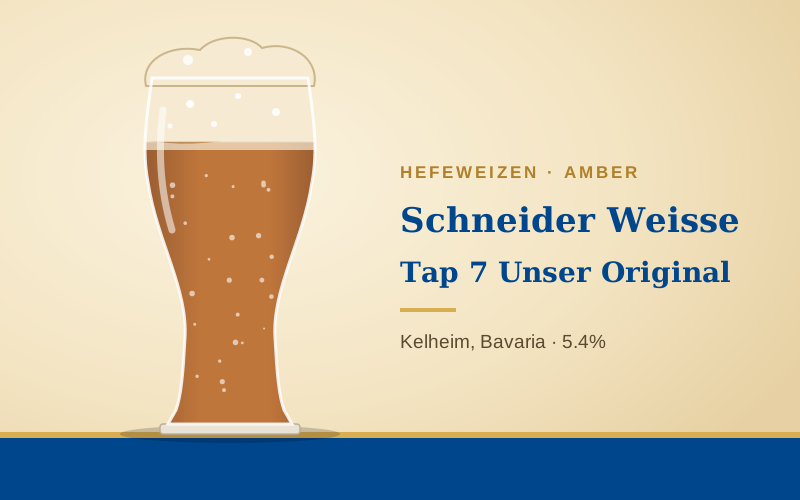
The Schneider family has been brewing nothing but wheat beer since 1872, when Georg Schneider bought the right to brew it from the Bavarian royal household. Tap 7 is still brewed to the original recipe.
It is darker than most Hefeweizen, with an amber-chestnut colour, and has more depth: clove, nutmeg, banana and a gentle caramel maltiness. If you find standard Hefeweizen a little too light, this is the one for you.
3. Paulaner Hefe-Weissbier Naturtrüb (5.5%)
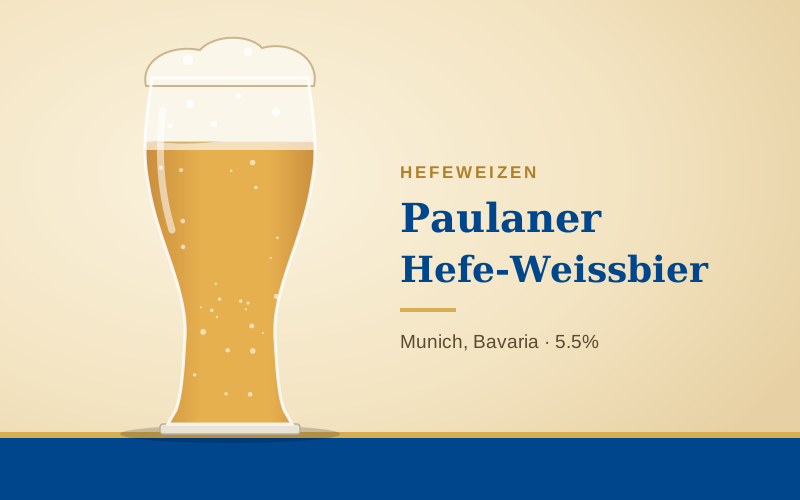
Paulaner is one of Munich’s six Oktoberfest breweries, and its Hefe-Weissbier is one of the most popular wheat beers in the world. “Naturtrüb” means naturally cloudy.
It is a very balanced, approachable wheat beer with gentle banana and a light spiciness, a creamy body and a clean finish. Because it is so easy to drink and widely available in Australia, it is a great introduction to the style.
4. Erdinger Weissbier (5.3%)
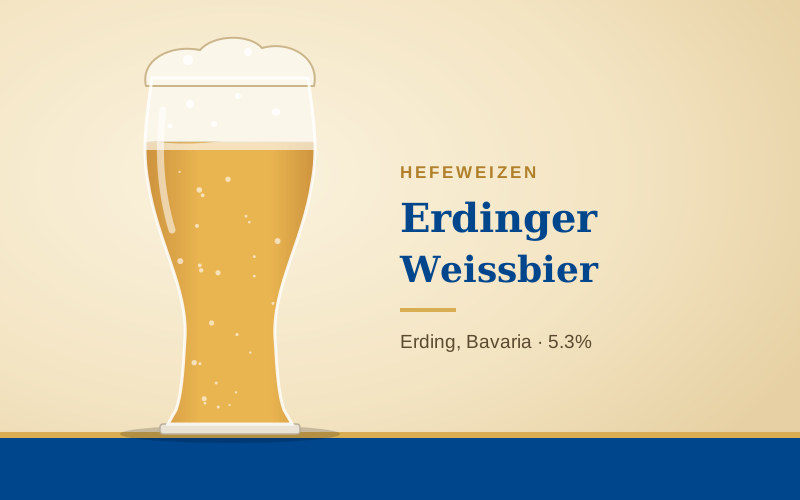
From the town of Erding, north-east of Munich, Erdinger is the world’s biggest wheat beer brewery. The standard Weissbier is bottle-conditioned, so it continues to ferment in the bottle and develops a fine, lively carbonation.
The flavour is on the milder, fruitier side of the spectrum: soft banana, a touch of citrus and a light, bready finish. Erdinger is one of the easiest German wheat beers to find in Australia.
5. Franziskaner Hefe-Weissbier Naturtrüb (5.0%)
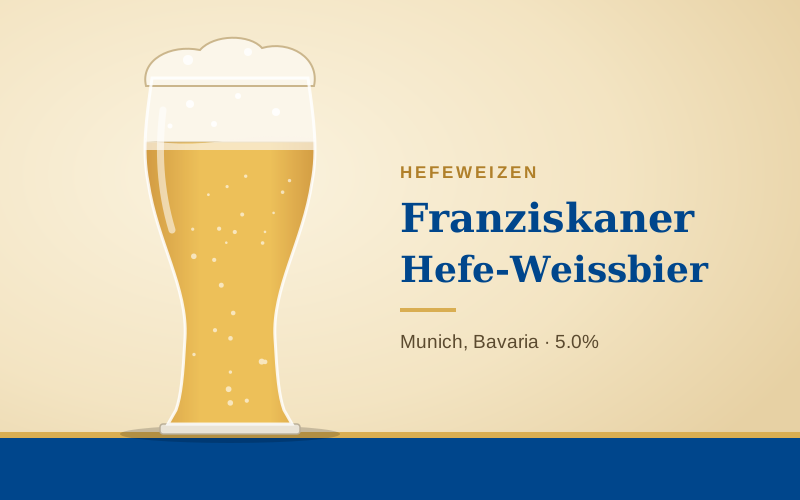
Recognisable by the Franciscan monk on its label, Franziskaner is a Munich brand with roots going back to 1363. Its Hefe-Weissbier is slightly lower in alcohol than many of its competitors and has a very fresh, lively character.
The banana and clove are both present but restrained, making this a crisp, thirst-quenching wheat beer that works especially well in the Australian summer.
6. Ayinger Bräuweisse (5.1%)
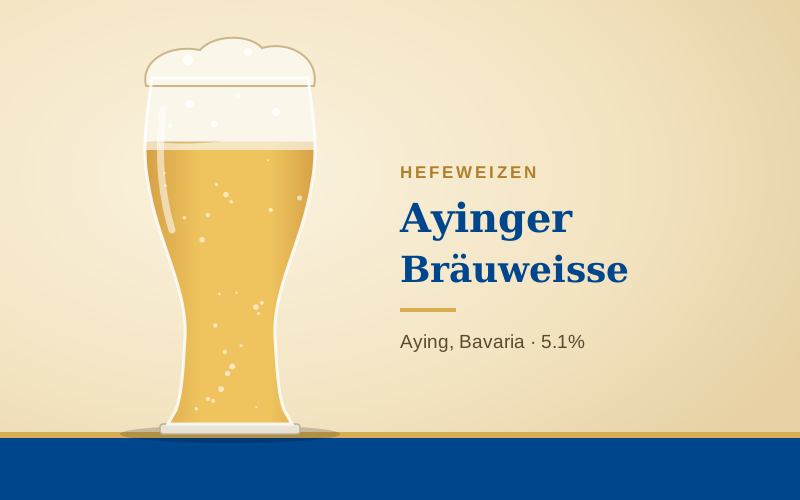
The family-owned Ayinger brewery, in the village of Aying south of Munich, has a reputation among beer enthusiasts that far exceeds its size. The Bräuweisse is a classic example of what a small Bavarian brewery can do.
It is bright, fruity and elegant, with notes of banana, citrus and a subtle spiciness. It is a little lighter on the palate than the big-name wheat beers, and a favourite among craft beer lovers.
7. Hacker-Pschorr Hefe Weisse (5.5%)
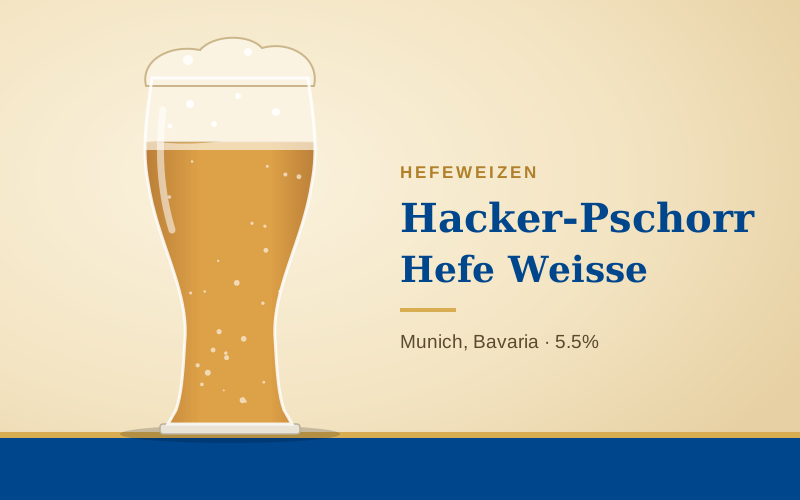
Another of Munich’s Oktoberfest breweries, Hacker-Pschorr brews a Hefe Weisse with a slightly richer, more malt-forward character than most.
Look for a deep golden colour, a creamy head and flavours of banana, honey and freshly baked bread. It pairs brilliantly with roast pork or schnitzel.
8. Schöfferhofer Hefeweizen (5.0%)
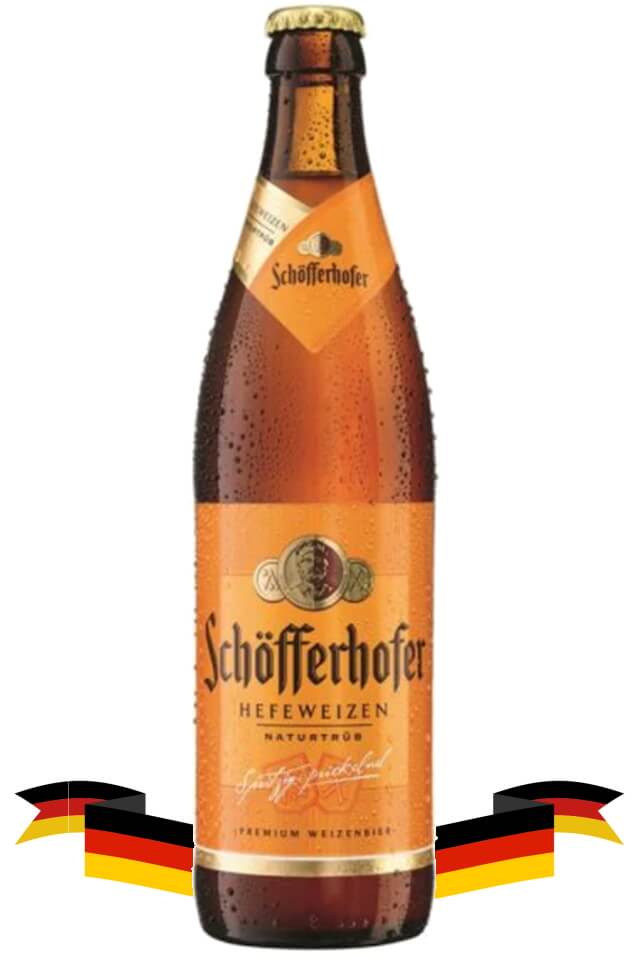
Schöfferhofer is one of the few major wheat beer brands from outside Bavaria. It is brewed in Frankfurt. The Hefeweizen is smooth and mellow, with a gentle fruitiness and very little bitterness.
Schöfferhofer is also known for its Grapefruit variety, a wheat beer mixed with grapefruit juice at around 2.5% ABV. It is a hit on hot days, but try the classic Hefeweizen first.
9. Franziskaner Weissbier Dunkel (5.0%)
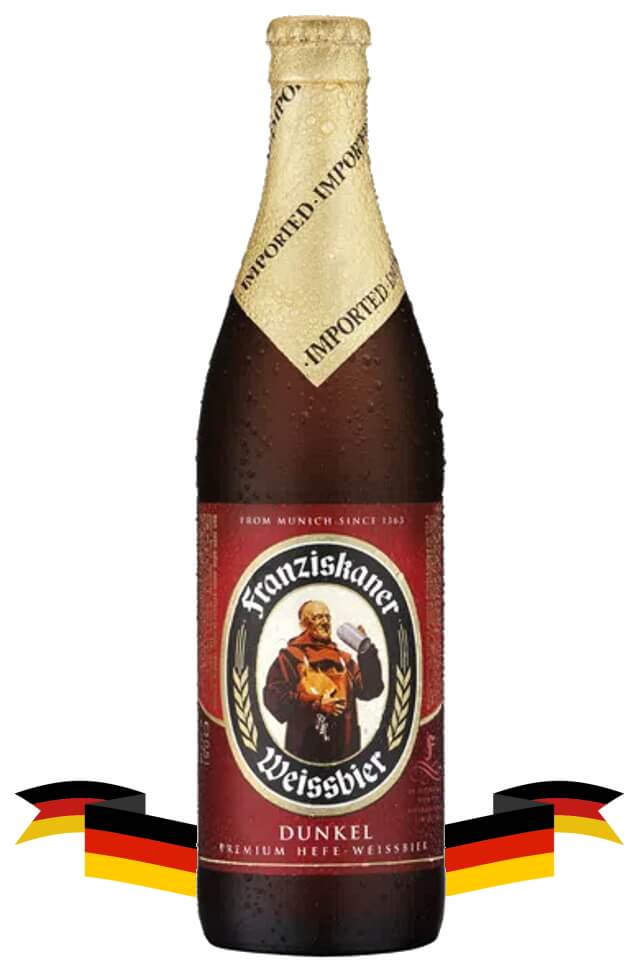
Dunkelweizen, or dark wheat beer, is the perfect choice for cooler evenings. Franziskaner’s version gets its chestnut-brown colour from darker roasted malts.
The typical wheat beer fruitiness is still there, but it is joined by notes of caramel, bread crust and a hint of chocolate. It is a great partner for hearty food like sausages, roasts and dark bread.
10. Weihenstephaner Kristallweissbier (5.4%)
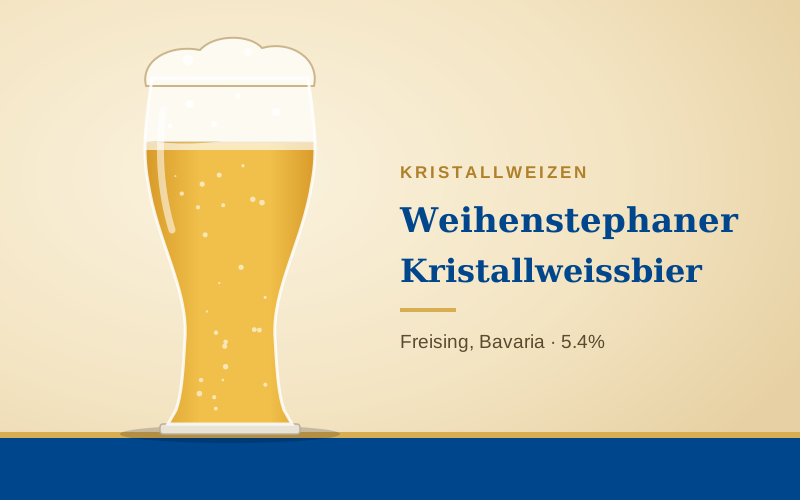
Not everyone likes a cloudy beer. Kristallweizen is filtered to remove the yeast, which gives it a sparkling, crystal-clear appearance and a crisper, cleaner taste.
Weihenstephaner’s Kristallweissbier keeps the aroma of its famous cloudy sibling, with banana, citrus and a light spiciness, but it is lighter and more champagne-like on the palate. It is an excellent choice for seafood and salads.
11. Schneider Aventinus (8.2%)
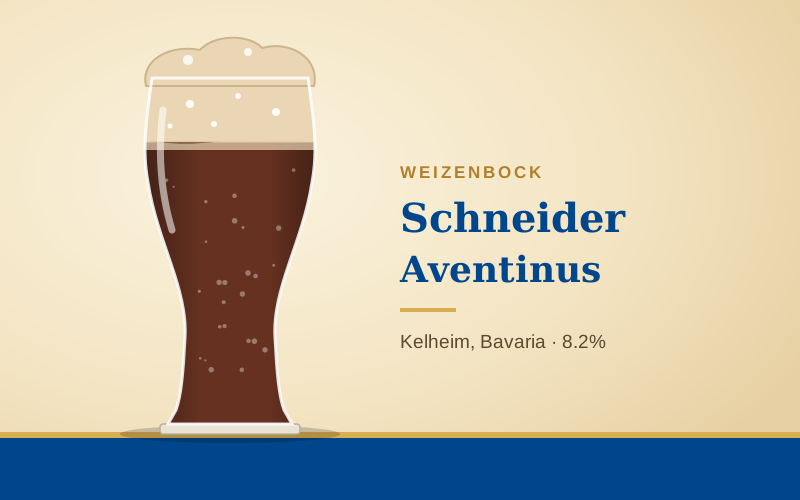
Aventinus is often described as one of the best beers in the world, and it is the reference point for the Weizenbock style. Brewed by Schneider since 1907, it is dark ruby-brown and deceptively smooth for its strength.
Expect flavours of ripe plums, raisins, banana, clove and dark caramel. This is a beer to sip slowly, ideally with a hard cheese or a rich dessert. It also ages well, so it is worth keeping a bottle in the cellar.
12. Erdinger Alkoholfrei (under 0.5%)
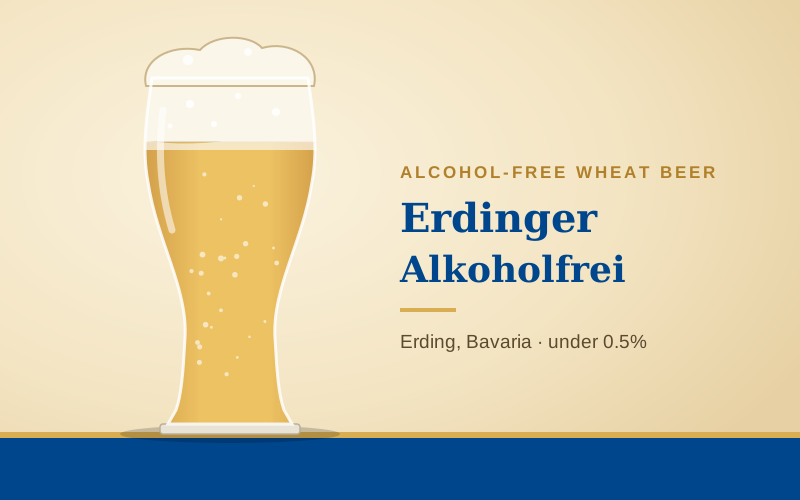
In Germany, alcohol-free wheat beer is a huge category, and it is marketed as an isotonic recovery drink for athletes. Erdinger Alkoholfrei is the market leader and a common sight at marathons and sporting events.
It has the same cloudy look and gentle wheat beer flavour as the original, with less body and a light, refreshing finish. It is ideal if you’re driving or simply cutting back. For more options, see our list of the 10 best alcohol-free German beers.
How to serve German wheat beer
A great wheat beer deserves the right treatment. Here is how they do it in Bavaria:
- Use the right glass. The tall, curved Weizen glass (usually 500ml) leaves plenty of room for the big foamy head and concentrates the aromas. Read more in our guide to German beer glasses.
- Rinse the glass with cold water first. A wet glass helps the beer slide in smoothly and prevents it from foaming over.
- Serve it cool, not ice-cold. Around 6–8°C is ideal. If it’s too cold, you’ll lose the banana and clove aromas.
- Pour slowly at an angle. Tilt the glass and pour down the side, straightening it up as it fills.
- Don’t forget the yeast. With a Hefeweizen, stop pouring when there is a little beer left in the bottle, swirl it to pick up the yeast sediment, then pour it on top to create the classic cloudy look.
And skip the lemon wedge. It’s a common habit outside Germany, but the citrus kills the head and masks the beer’s natural aromas.
Why German wheat beer is special
Wheat beer has a long and colourful history in Bavaria. The famous German Purity Law of 1516 only permitted barley, hops and water in beer, which effectively ruled out wheat for most brewers. For centuries, the right to brew wheat beer was a privilege held by the nobility, and later a royal monopoly, which made Weissbier a highly profitable drink for the Bavarian rulers.
When the style fell out of fashion in the late 19th century, the monopoly was sold off, and brewers like Schneider kept the tradition alive. After a strong revival from the 1960s onwards, wheat beer is now one of the most popular beer styles in Germany, and Bavarian brands like Paulaner, Erdinger and Weihenstephaner export it all over the world.
German wheat beer FAQs
What is the difference between Hefeweizen and Weissbier?
Nothing, really. Both are German names for wheat beer. “Weissbier” is more common in Bavaria, while “Weizenbier” or “Hefeweizen” (wheat beer with yeast) is used across the rest of Germany.
Why does German wheat beer taste like banana?
The special top-fermenting wheat beer yeast produces natural compounds during fermentation that smell and taste like banana and clove. No fruit or spices are added.
Is German wheat beer stronger than regular beer?
Most German wheat beers are between 5 and 5.5% ABV, similar to a standard lager. The exception is Weizenbock, which usually comes in between 7 and 8.5%.
Where can I buy German wheat beer in Australia?
The big brands like Paulaner, Erdinger, Weihenstephaner and Franziskaner are stocked by most large bottle shops. For less common beers like Ayinger or Schneider Aventinus, try a specialist craft beer store. Our city guides for Sydney, Melbourne, Brisbane, Perth and Adelaide list places to buy or drink German beer.
What food goes with German wheat beer?
The classic pairing is Bavarian Weisswurst with sweet mustard and a pretzel. Wheat beer also goes well with seafood, salads, chicken and spicy Asian dishes, as its fruitiness and carbonation balance out chilli heat.