Ein Prosit der Gemütlichkeit! (Here’s to a cozy atmosphere!)

There’s something undeniably satisfying about sipping a cold, frothy beer from a traditional German beer mug or beer stein. These iconic vessels, often adorned with intricate designs and featuring a sturdy handle, have been a staple of German tradition for centuries. Let’s explore the rich world of German beer mugs and discover why they’re more than just a vessel for your favorite brew.
A Brief History of German Beer Mugs and Steins
German beer mugs and beer steins have a history that dates back to the Middle Ages. Initially, these drinking vessels were simple, utilitarian items made of pewter or stoneware. Over time, as brewing techniques and craftsmanship evolved, so did the design and complexity of these mugs. By the Renaissance and Baroque periods, beer steins had become more elaborate, often featuring intricate designs, pewter lids, and handles. They were more than just drinking vessels—they were symbols of social status and cultural pride.
What is a German Beer Mug Called?
In Germany, a beer mug is often referred to as a stein (derived from “Steinkrug,” meaning stone mug). Beer steins are typically made from stoneware, earthenware, or ceramic, and they may feature a pewter lid to keep the beer cold and prevent debris from falling in—a practical feature dating back to the days of the Black Plague.
The Art of the Beer Stein
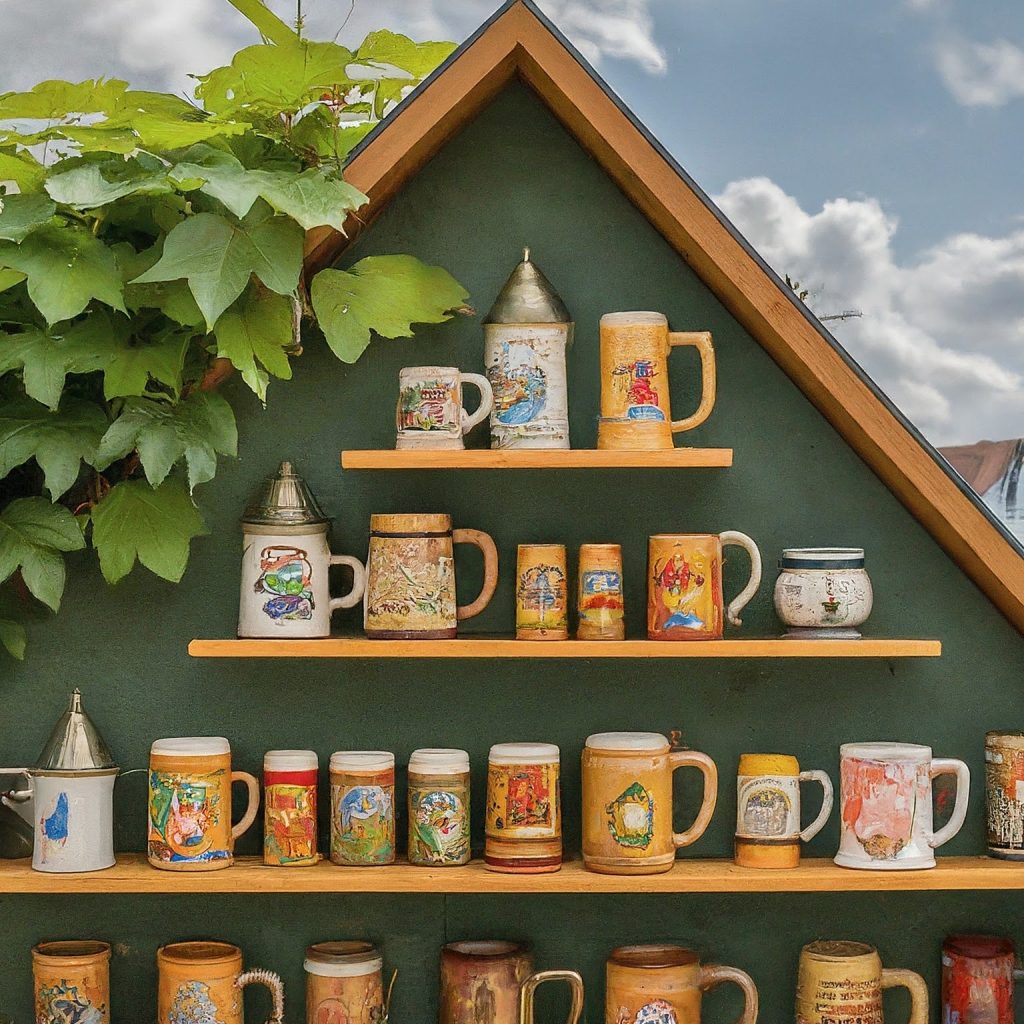
German beer steins are often adorned with detailed designs that reflect various aspects of German culture. Common themes include:
- Oktoberfest motifs: Mugs featuring beer gardens, pretzels, and Bavarian flags are popular during the festive season.
- Historical figures: Portraits of German emperors, kings, and other historical personalities are frequently seen on authentic German beer steins.
- Folk art: Traditional German folk art, including flowers, animals, and geometric patterns, adds a unique touch to these beer steins.
The Difference Between a Mug and a Stein
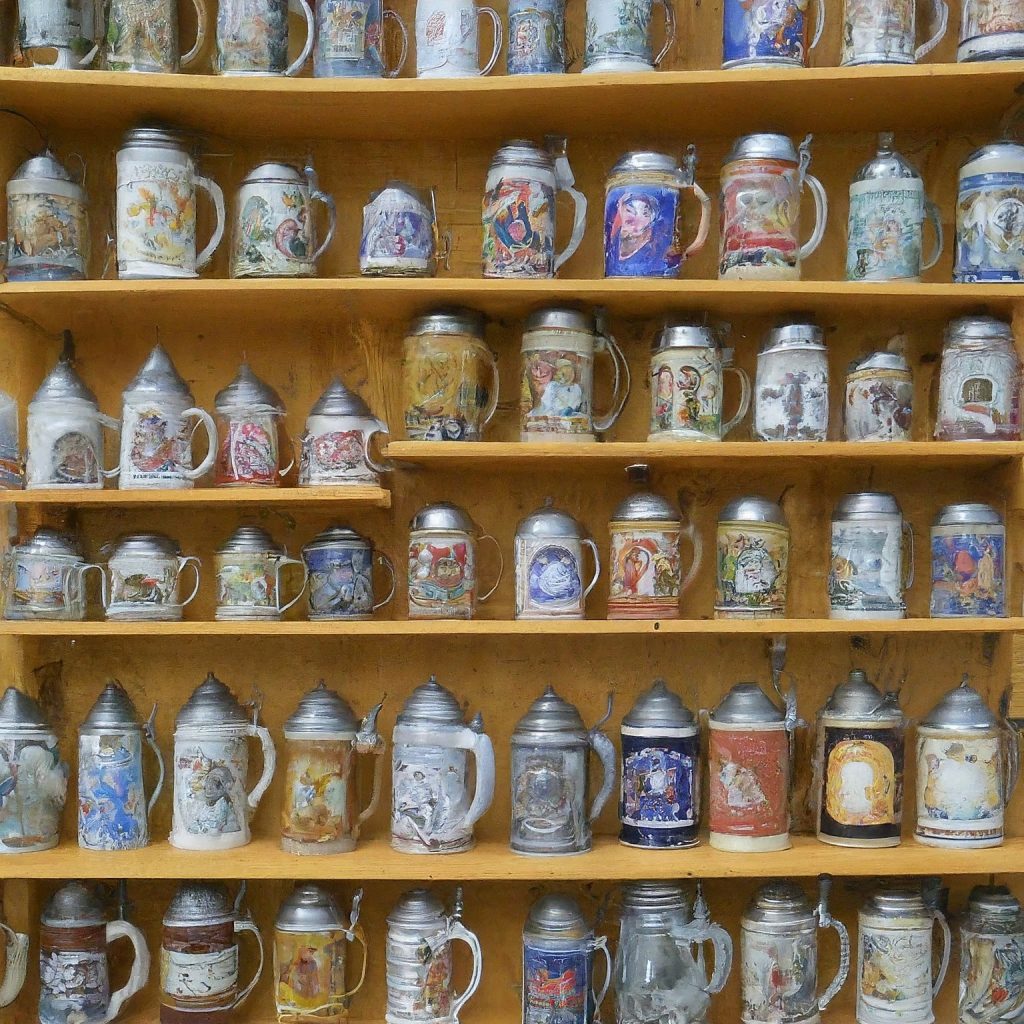
While both are used for drinking beer, a stein typically refers to a German beer mug with a lid, often made of pewter. In contrast, a beer mug generally refers to a lidless vessel. Beer steins are often considered collectibles and are prized for their craftsmanship and historical significance.
Choosing the Perfect German Beer Mug or Stein
The type of beer mug or beer stein you choose can significantly enhance your drinking experience. Here are a few tips to help you select the perfect one:
- Beer Style: Different beer styles often pair best with specific types of mugs or steins. For example, a tall, narrow stein is ideal for a wheat beer, while a wider, shorter beer stein might be better suited for a lager.
- Personal Preference: Ultimately, the best beer stein is the one that feels right for you. Consider your own style and preferences when making your selection.
Are Beer Steins Worth Anything?
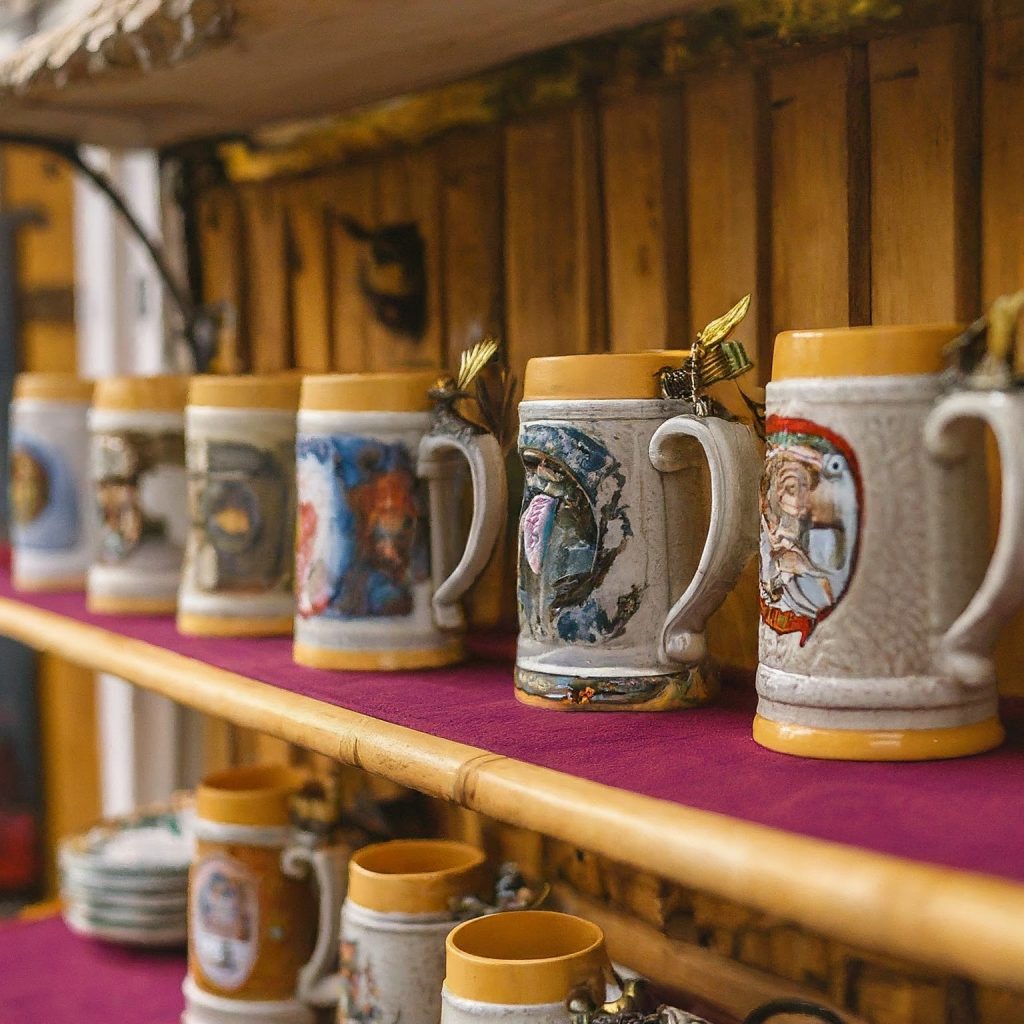
German beer steins can vary widely in value, depending on their age, condition, and craftsmanship. Collectible steins featuring intricate designs, historical motifs, or those made by renowned artisans can fetch high prices among collectors. Authentic German beer steins with pewter lids and hand-painted details are particularly sought after.
Drinking from a German Beer Stein: The Ultimate Experience
Drinking from a German beer stein is more than just pouring and sipping. Here are a few tips for enjoying your beer the traditional way:
- Cleanliness: Ensure your stein is clean and dry before pouring your beer.
- Frothy Head: A thick, frothy head is essential for a proper German beer.
- Proper Grip: Hold the beer stein by the handle, not the base, to keep your beer cold.
- Savor the Flavor: Take your time and enjoy the taste of your beer.
The Role of Beer Steins in German Tradition
Whether you’re at Oktoberfest in Munich or enjoying a cozy night in, a German beer stein adds a touch of authenticity to the experience. These vessels are not just for drinking—they’re a conversation starter, a piece of art, and a connection to centuries of German tradition.
So, what are you waiting for? Grab an authentic German beer stein, pour yourself a cold one, and Prost!
FAQ Section
What is a German beer mug called?
A German beer mug is commonly known as a “stein,” short for “Steinkrug,” meaning stone mug.
Why do German beer mugs have tops?
German beer mugs, or beer steins, often have tops (usually made of pewter) to keep the beer cold and protect it from debris, a feature that dates back to the days of the Black Plague.
What is the difference between a mug and a stein?
A beer mug is a lidless vessel, while a stein typically has a pewter lid and is often more elaborately designed.
Are steins worth anything?
Yes, German beer steins can be quite valuable, especially those that are older, in good condition, and feature intricate designs or are made by renowned artisans.