Think German beer; you’ll most likely think of Oktoberfest and people bedecked in Lederhosen drinking steins as big as themselves full of fine, crisp German beer.
However, there is far more to German beer than Bratwurst, oom-pah bands and heaving Bierkellers lined with partygoers. German brewers have heavily influenced the craft beer industry, with many local brewers choosing to brew their brands of pilsner, Weissbier, Helles and Dunkels.
For many, though, the original German beer remains unbeatable for taste, quality and sharpness. This is our guide to the best imported German beer brands Australian beer lovers can enjoy at home.
-
Schöfferhofer Hefeweizen, 5%
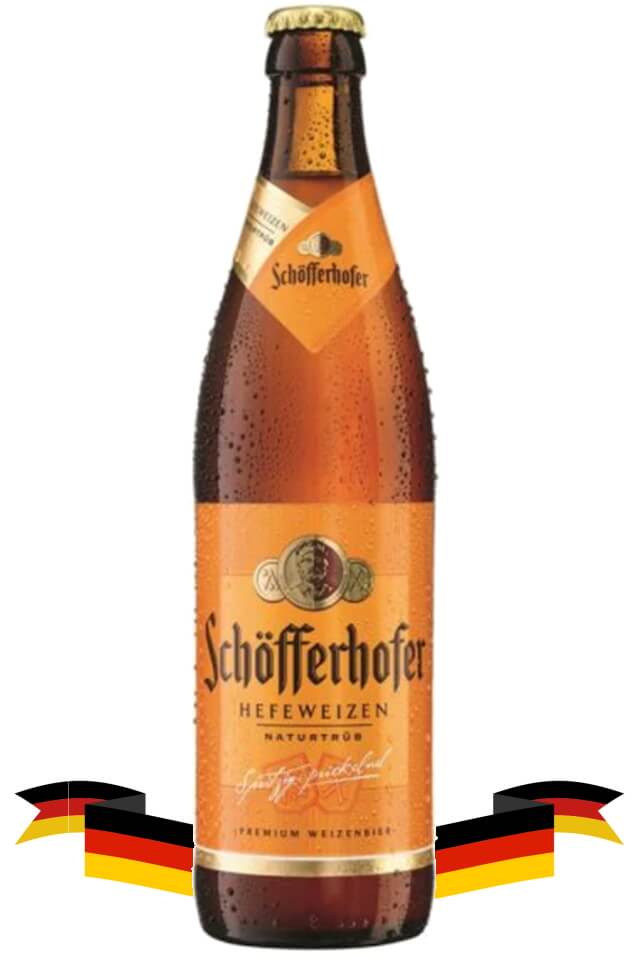 The Schöfferhofer brewery dates back to the 15th Century, and they are known for creating the first wheat beer to be brewed outside of Bavaria.
Now brewed by Binding-Brauerei in Frankfurt am Main, Schöfferhofer’s Hefeweizen remains one of the most flavoursome wheat beers available. The blend of cloves, spices and banana work with the lemon zest that provides a refreshing taste and doesn’t leave the drinker with the saccharine and heavy aftertaste of many other wheat beers. -
Höfler Rein Lager, 4%
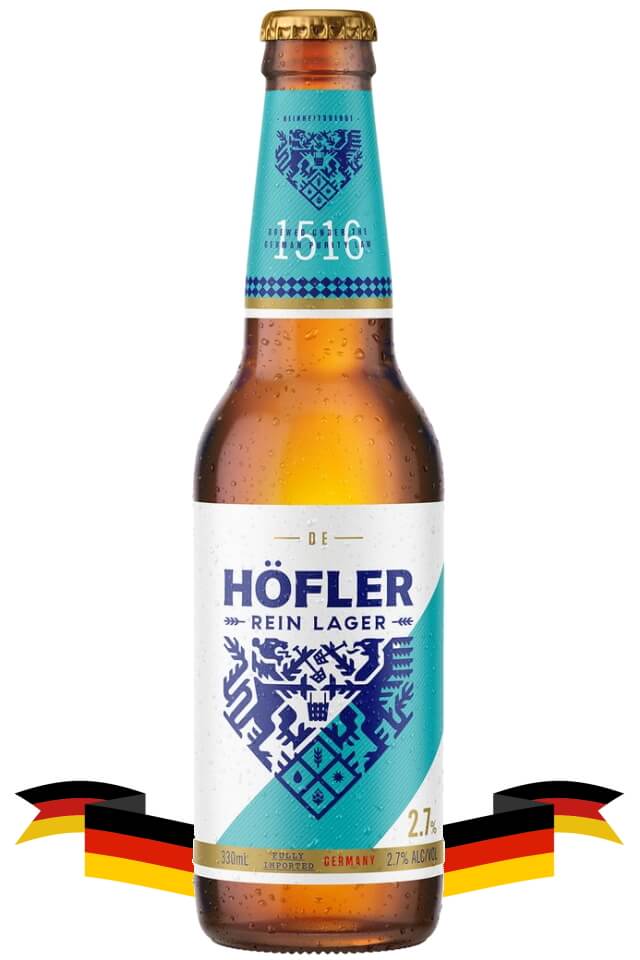 Höfler’s Rein Lager dates back to 1516, when Duke Wilhelm IV of Bavaria introduced the Reinheitsgebot, or German beer purity law, which states hops, barley, pure water and yeast are the only ingredients that can be used to produce German lager to guarantee quality.
Originating in Monchengladbach and one of the most authentic German lagers on the market today, Höfler’s Rein Lager is full-bodied and provides a hint of sweetness to counter the naturally spicy flavours of the German hops that offer a refreshingly clean, crisp finish. The drinker is left savouring the maltiness and mildly bitter that gives the drinker a real taste of Germany. -
Oettinger Pils, 4.7%
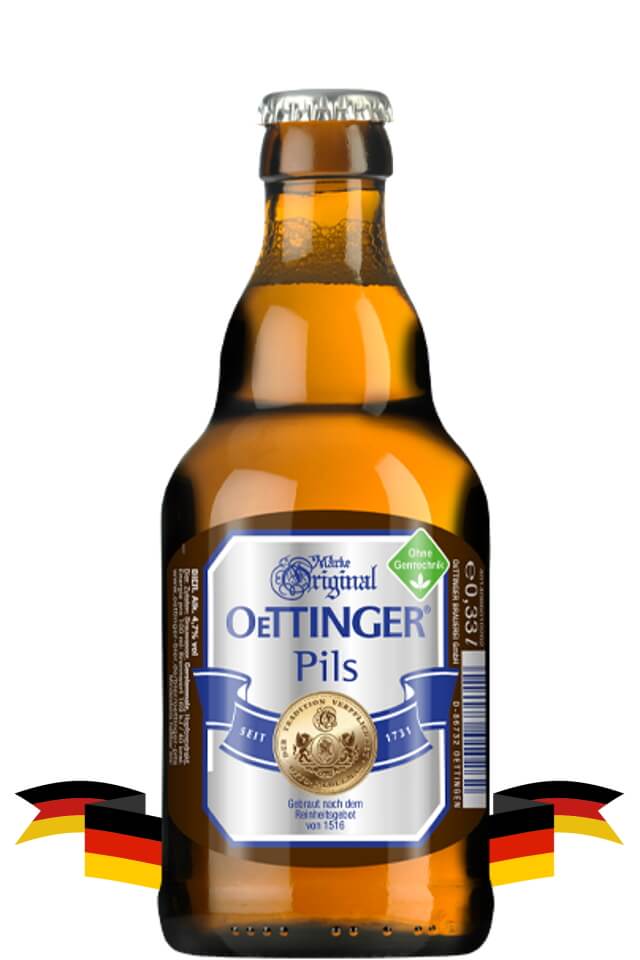
One of Germany’s best-selling beer manufacturers, Oettinger has several breweries throughout Germany after initially being established in the Bavarian town of Oettingen. They are renowned for their low-cost beer. Prices are kept low because Oettinger focuses almost entirely on supermarket sales and does not advertise. In addition, they do not outsource their logistics, choosing instead to use their transport to ship their products.
The strong hoppy taste of their Pils, also brewed according to the Reinheitsgebot, offers a slightly zingier taste and a head that you’d expect from a tap-pulled beer. Crisp and clean, Oettinger Pils is the perfect accompaniment to spicy food and offers the drinker excellent value for money. -
Weltenburger Kloster Barock Dunkel, 4.7%
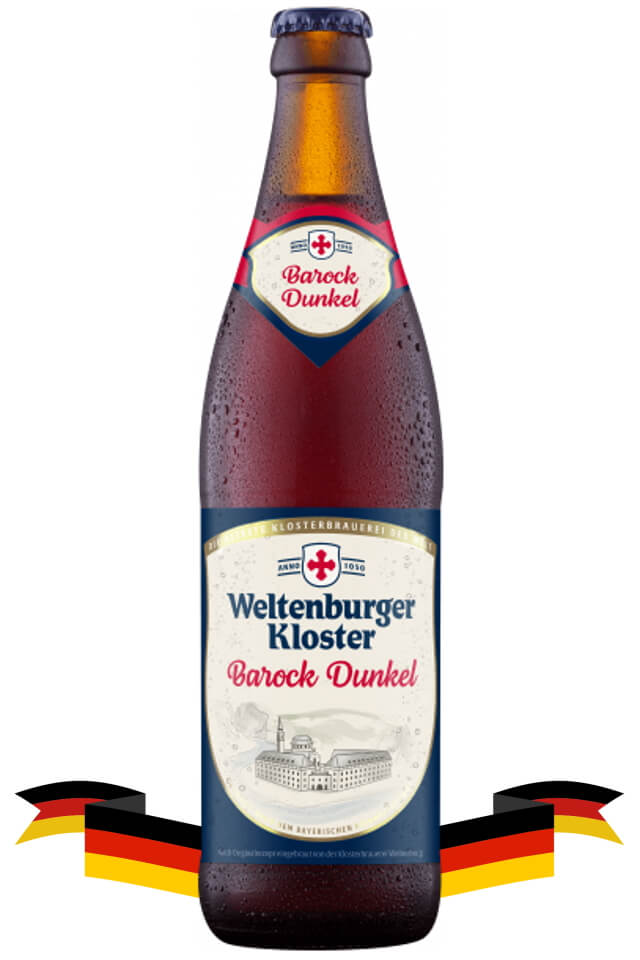
The brewery at the Weltenburger monastery was established in 1050, more than a thousand years after the monastery was founded in Kelheim, northwest of Munich. Beer at the monastery is still brewed traditionally, meaning drinking Weltenburger beer is one of the most authentic experiences a drinker can have.
Their Kloster Barock Dunkel beer is the world’s oldest dark beer and still one of the best. Full-bodied and offering beautiful malted scents, the beer has a slightly bitter taste with a bit of sweetness lingering as an aftertaste. An autumnal amber colour combined with the creamy texture makes this Dunkel one not to miss out on. -
Weihenstephaner Hefe Weissbier, 5.4%
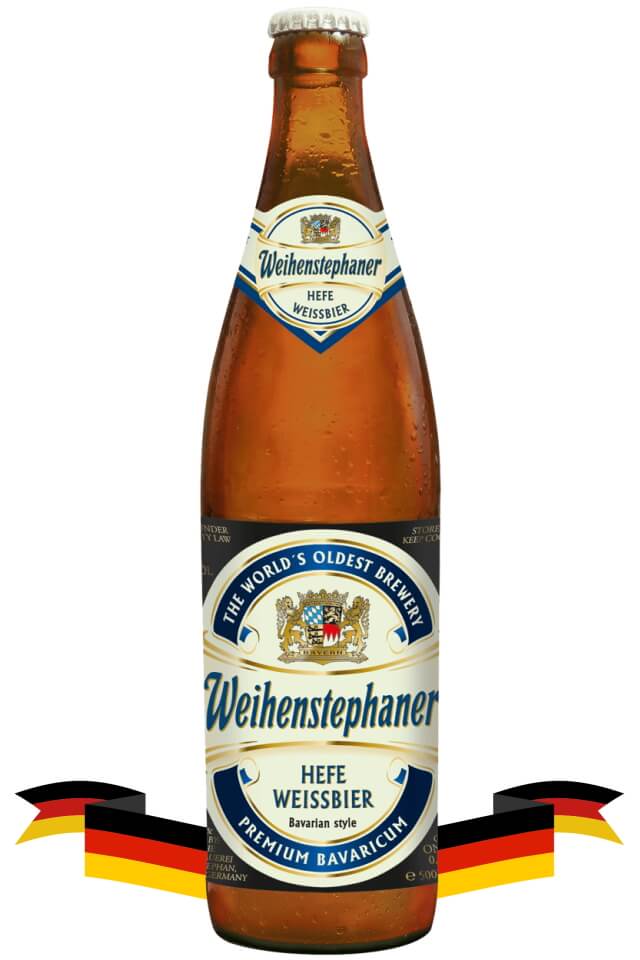 Weihenstephaner brewery lays claim to being the ‘Oldest Brewery In the World’. The company’s advertising claims that the brewery was established in 1146; however, the first written record of the brewery is dated 1675.
A state-owned brewery by the Government of Bavaria, Weihenstephaner’s Hefe wheat beer won the Gold medal in the South German-style Hefeweizen at the 2016 World Beer Cup and is brewed to a classic German recipe.
This produces a refreshing, cloudy wheat beer that will be music to the tastebuds of those that enjoy a malty, yeasty taste to their beers. It remains the standard-bearer for hazy wheat beers. -
Insel Brauerei – Baltic Gose, 6.5%
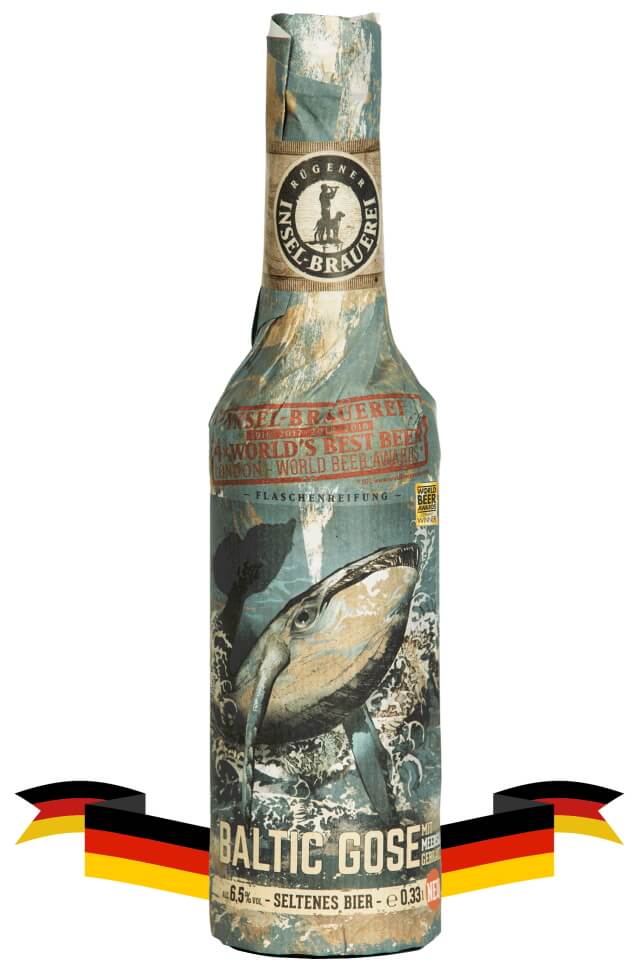
Gose is an old German style of beer whose key ingredient is salt. Traditionally brewed using fermented lactic acid and salt water, modern brewing methods may include cooking salt and coriander to give Gose its distinctive taste.
Insel Brewery, located on the Baltic Sea, is brewed with sea salt and fermented using Bière Brut yeast to give it an aromatic hint of pear and quince. A smooth, almost wine-like drink that offers a subtle touch of sourness and a beautifully crisp, dry finish.
A rare and unusual German beer, it’s one not to be missed by any connoisseur. -
Paulaner Münchner Hell, 4.9%
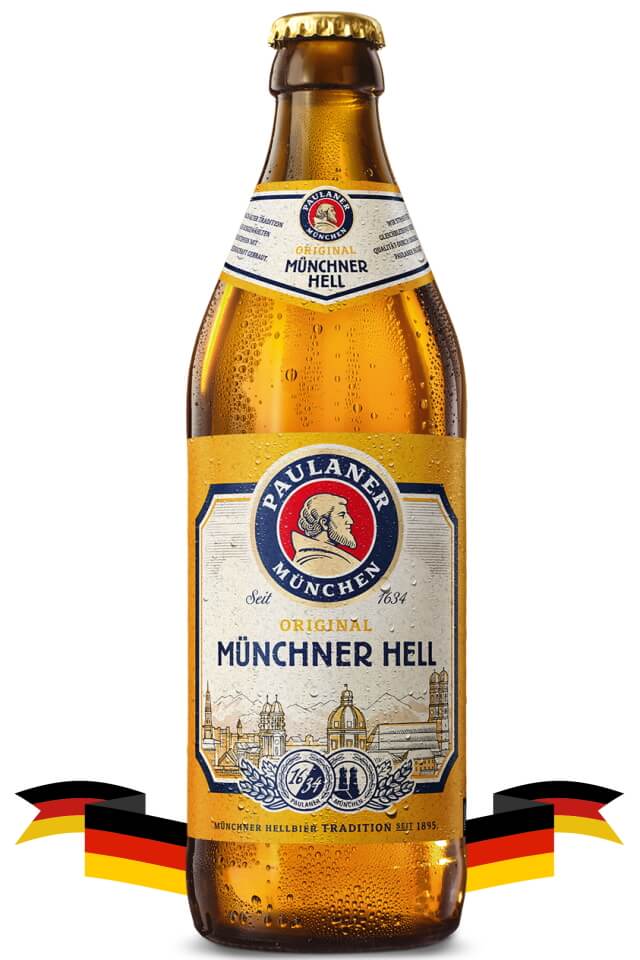
The first recorded mention of Paulaner was when monks in the Neudeck ob der Au monastery in Munich brewed their own strong beer, the Paulaner Salvator, in line with the 1516 Reinheitsgebot. Whatever wasn’t drunk by the monks was distributed to the poor or sold.
Civilians brewers voiced their complaints to the Munich city council in 1634 about the monastery’s beer intruding on their business. This documented evidence of the Paulaner brewery used as their founding date.
The Münchner Hell dates back to the end of the 19th Century and was a massive success from its introduction into the market. A subtle hoppy and spicy taste is combined with a light and crisp texture; this is the most successful Paulaner export, an Oktoberfest staple and the best-sold Müncher Hellbier in the world. It is also unquestionably one of the best. -
Hofbräu Maibock, 7.2%
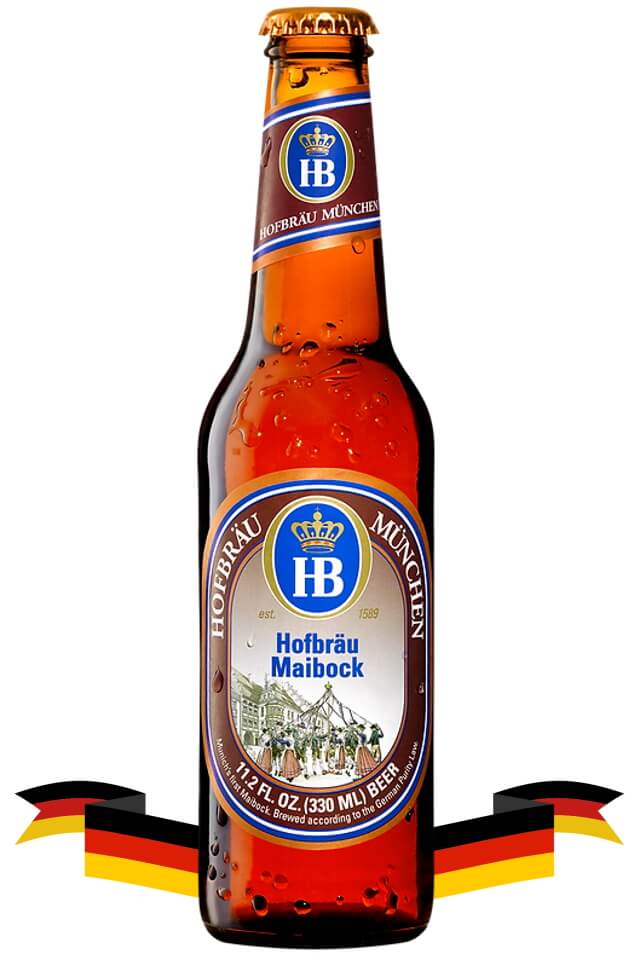 Hofbräu is one of the most renowned breweries in Bavaria, with the Hofbräuhaus in the city centre on the site of the former brewery, one of the city’s best-known Bierkellers.
Founded in 1589 by Wilhelm V, Duke of Bavaria, it was the former brewery of the Royal Residence. After World War II, their beer quickly became popular and became known worldwide after US soldiers returned home from Germany with beer mugs containing the HB logo.
Bock is traditionally a more robust beer than lager and wheat beers, with several different versions available. Doppelbock is historically the most potent variant, with Eisbock brewed by being partially frozen.
As the name suggests, Maibock is brewed in the springtime with a paler colour and greater level of hops than a traditional bock, making it a lighter drink to enjoy as the weather turns warmer.
The first barrel of HB’s Maibock is traditionally tapped in the last week of April in time for May; the robust flavour and aromas, as well as its hefty alcohol content, make it a favourite of beer lovers worldwide. -
Früh Kölsch, 5.1%
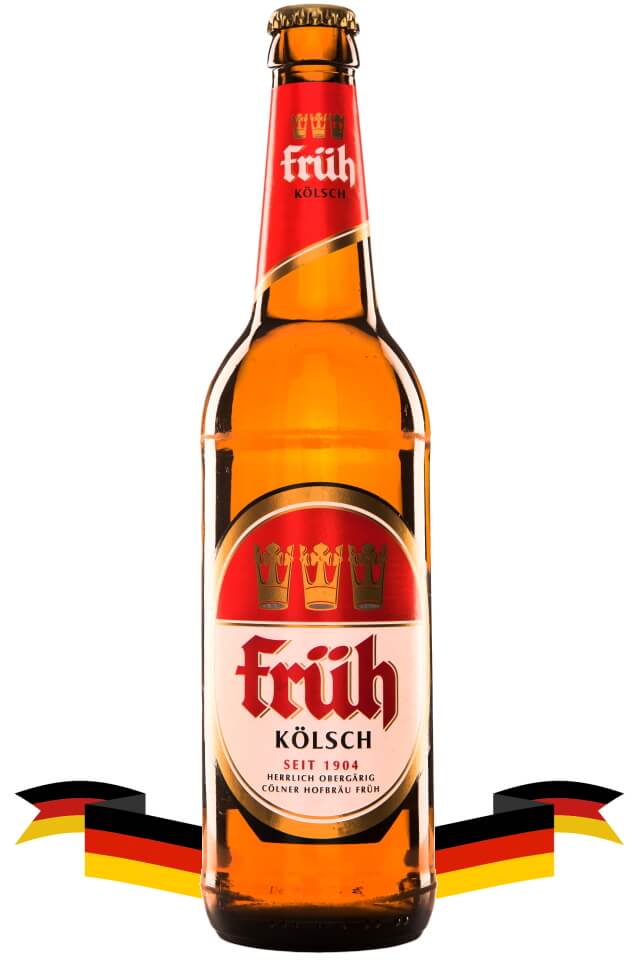 Since 1997, the brewing of Kölsch beers has been governed by a Protected Geographical Indication (PGI) within the EU. It states that they must be brewed within 50km of the city of Cologne and according to the Kölsch Konvention.
Cologne-based brewers agreed upon the Kölsch Konvention to set out the brewing process to ensure the creation of a high-quality drink.
This gives way to a pale, hoppy, clear-looking beer that is top-fermented and conditioned at cold temperatures, much like lager.
Früh’s Kölsch is one of the best around, having been first created in 1904 and refined over the past 100 years to provide a light, crisp and enormously refreshing flavour. -
Maisel’s Weisse Kristall, 5.2%
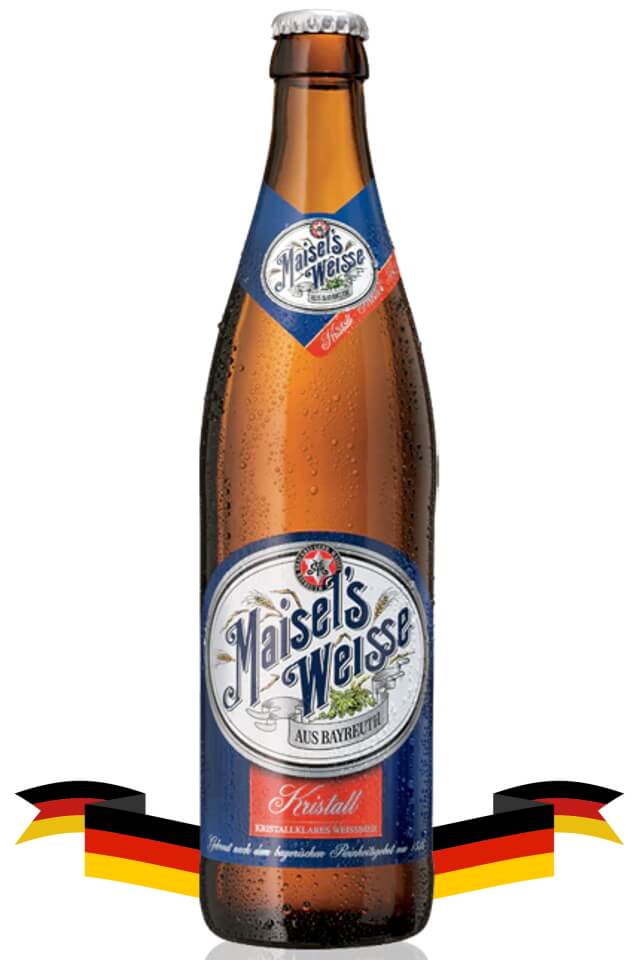
Hans and Eberhardt Maisel established the Maisel brewery in 1887 on Kulmbacher Straße in Bayreuth, in northern Bavaria, and the brewery remains in the Maisel family, now in its fourth generation.
Maisel focuses squarely on producing different wheat beers, including their original, light, Dunkel and alcohol-free variants.
Their award-winning Weisse Kristall won the Germany Winner Gold title at the 2019 World Beer Awards and offers a crystal clear beer that sparkles with carbonic acid to refresh and quench thirsts. Sun-ripened wheat and bright malts are fermented and aged with white yeast, producing a fruity mix of banana and citrusy tastes and aromas.
This blend provides the drinker with a departure from the typical spicier hue of wheat beer flavours. -
Franziskaner Hefe-Weissbier Dunkel, 5%
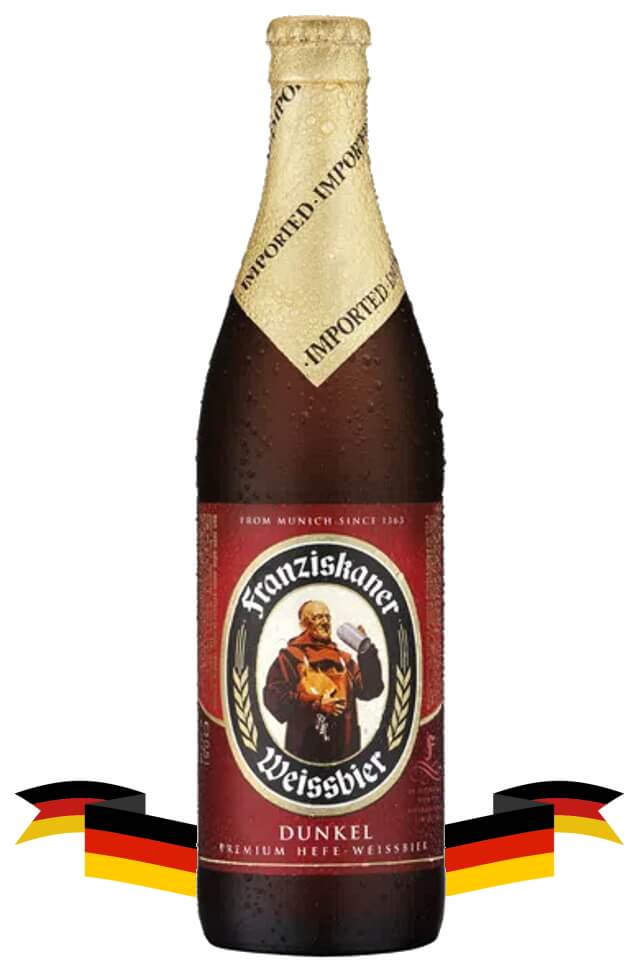 The Franziskaner brewery is the oldest privately-owned brewery in Munich, dating back to 1363, and takes its name from the nearby Franciscan monastery.
In 1964, it produced its first wheat beer and is now one of the six Munich-based brewers to brew for Oktoberfest.
Their Hefe-Weissbier Dunkel has a crystal clear appearance, and a large amount of dark roasted malt creates the dark colour and separates it from a traditional wheat beer. This produces a heavy dark brown appearance with a caramel cream-coloured head. Aromatically, there are hints of bread and nuts.
The smooth, velvety feel makes it a dream to drink while leaving a surprising and refreshing tang as an aftertaste. It is the perfect side drink to go with a decadent dessert. -
Einsiedler Landbier, 5%
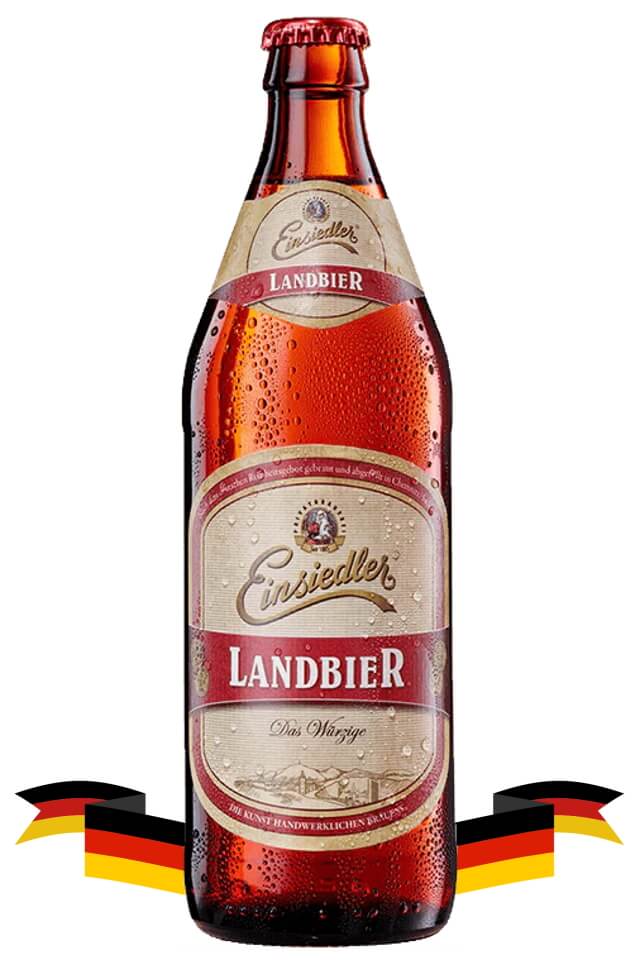 Einsiedler Brauhaus was founded in 1885 in the town of Einsiedel, a small town at the foot of the Ore Mountains in Saxony, which is now part of the city of Chemnitz. The brewery was heavily damaged during World War II but was rebuilt faithfully to its earlier style and remains the company’s brewing house today.
Their Landbier, or Country Beer, is brewed using water sourced from their on-site well, barley malt and hops to produce a beautiful golden red beer. This mix produces aromas of cereal, dried straw and a summer in Germany’s countryside while being offset by a sweet and understated hint of malt.
The hops provide a mild bitterness, and the natural water originating in the nearby Ore Mountains makes this the perfect beer for outdoor workers to enjoy all year round. -
Bitburger Pilsner, 4.8%
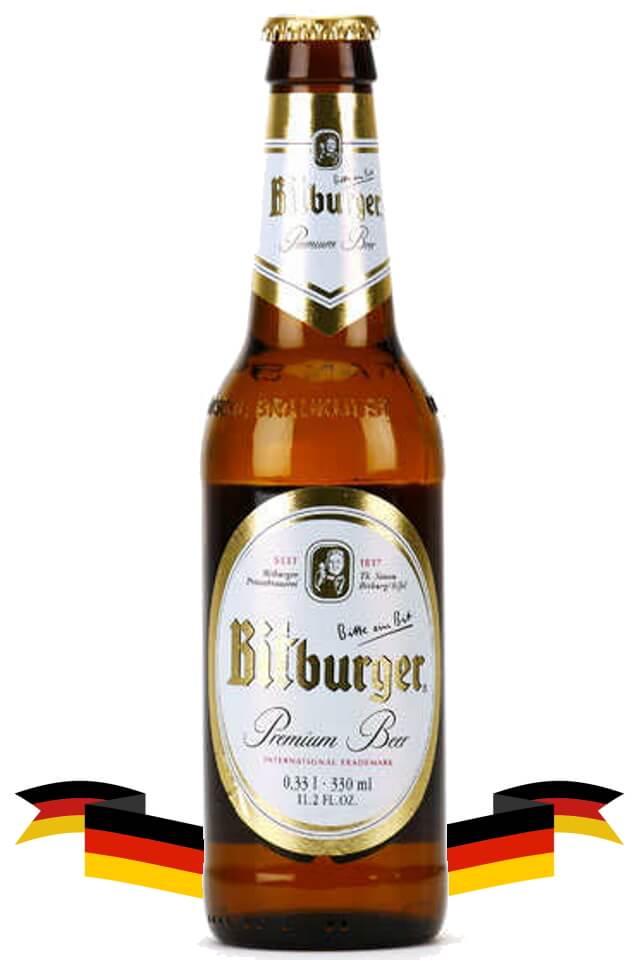
The Bitburger Brewery is located in the town of Bitburg, in the province of Rheinland-Pfalz. It was founded in 1817, and its Premium Pils has become the third best-selling beer in Germany and the most popular draft beer.
The lightness and crystal-clear sunny yellow complexion make it clear why Bitburger is popular amongst Germans and drinkers worldwide. Brewed in accordance with the Rheinheitsgebot, this classic German beer is brewed using a blend of summer barley, dry hops and pure, clean water from the Eifel mountains for a crisp, hoppy-tasting German pilsner.
As the Bitburger advertising slogan says, „Bitte ein Bit? Ja, bitte!“ (A Bit please? Yes, please!) -
Bayreuther Hell Lager, 4.9%
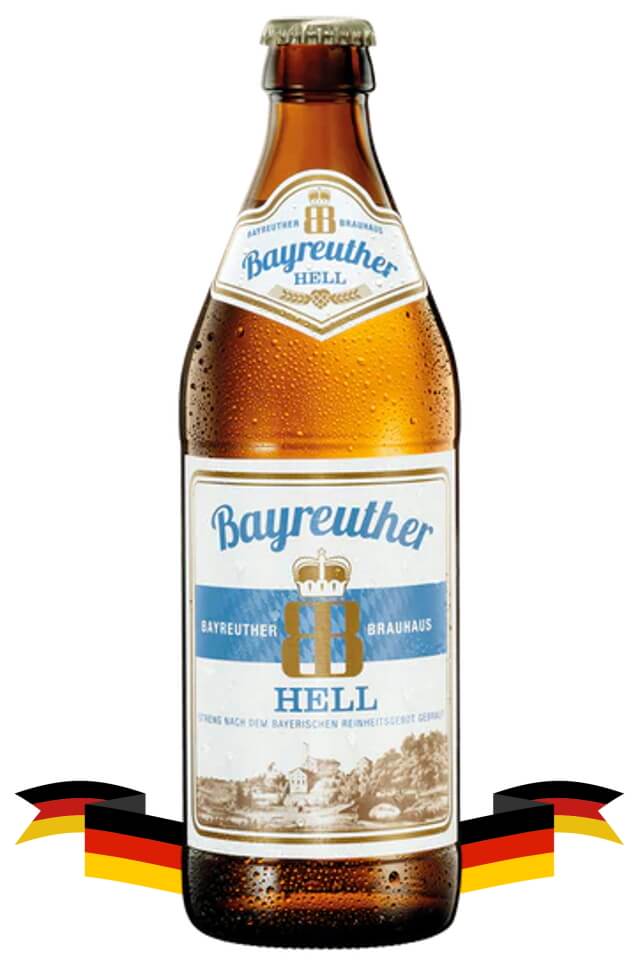 The Bayreuther Brauhaus in Bayreuth is a Bavarian speciality beer maker with more than 150 years of experience in traditional Artisan brewing methods.
Established in 1857, the brewery began life on the Herzog and developed into one of Germany’s leading brewhouses.
The Bayreuther Hell Lager, formerly known as Bayreuther Aktien Hell, is a lager that pours a beautiful golden colour without any cloudiness, a full, frothy white head, and plenty of carbonation. It provides a subtle malty, hoppy, slightly grassy smell while producing a herby, slightly spicy taste balanced by a firm bitterness.
A very smooth, easy-to-drink lager that is perfect for a lazy summer’s afternoon. -
Weissenoher Bonator Doppelbock, 8%
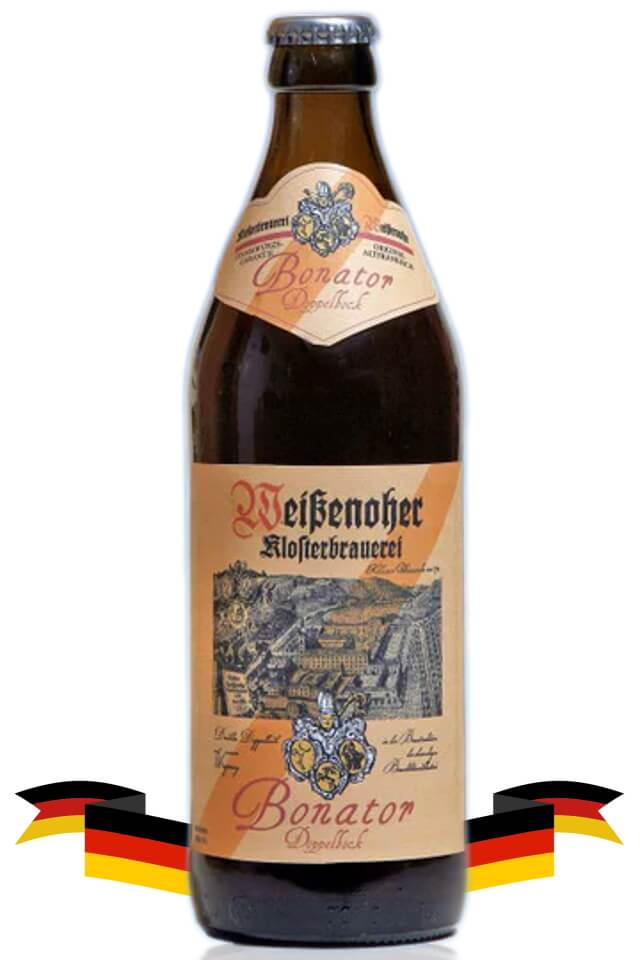
A former monastic brewery that can trace its brewing roots back to the middle of the 11th Century, Weissenohe is one of the oldest brewhouses still in existence in Germany. Purchased by the Winkler family in 1827, it remains family-owned, and they brew the full range of Bavarian-style beers.
One of the finest is the Bonator Doppleback, which meets the tradition of a good Bock by being a rich brown in colour and packing a spicy punch.
Used by Benedictine monks in Weissenhoe for nourishment during fasts, the Doppelbock became a staple of a monk’s intake, mainly during lent. It is the perfect drink alongside pork, roast meats, rich game dishes and stews, such as goulash. -
Aecht Shlenkerla Rauchbier Marzen, 5.1%
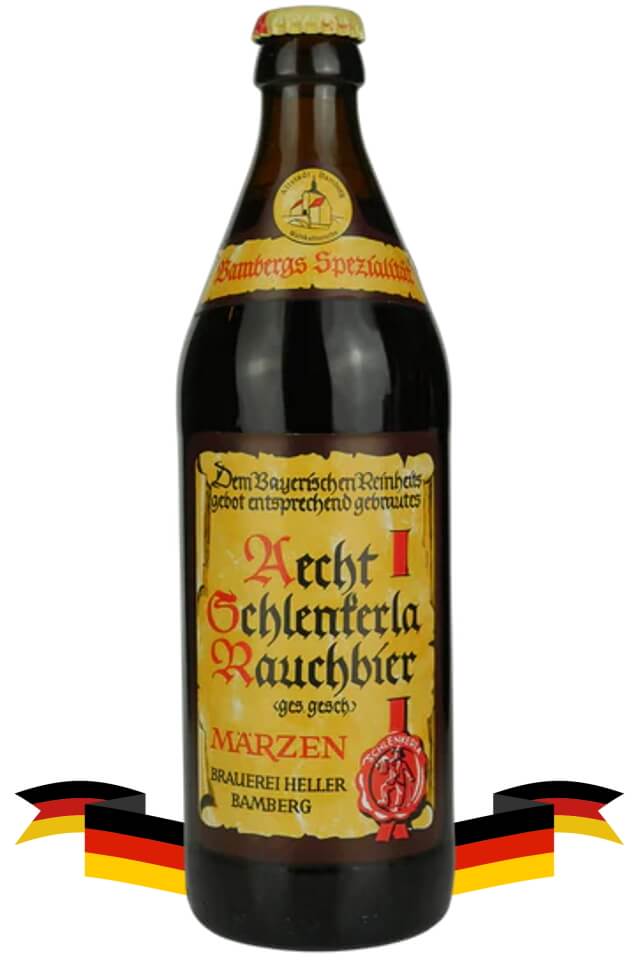
Schlenkerla is a historic brewery based in Bamburg, north of Nuremberg in the centre of Germany. It is unique because it produces Rauchbier, or smoked beer, which Bamburg is famous for.
The word Schlenkerla originates from the word “schlenkern”, which in Frankish dialect means ‘not walking straight’ as a drunken person does. The smoked beer brewery adopted this word as its name and has become famous worldwide for its Rauchbier.
One of the best is their Marzen, which is a smoked lager. A dark, bottom-fermented beer, it is brewed with smoked malt from the Schlenkerla maltings and, when drunk on tap, is fed from oakwood casks in the on-site tavern.
The result is a dark, smoky beer with the aroma and taste of wood, peat and hazelnutty chocolates. It is perfect alongside a plate of pork or veal and when chased by an Islay malt whisky.
A German Beer Brand for everyone
The range of German beers available on the Australian market has something for everyone. Indeed, the influence of many of these old German breweries can be found in the craft beer industry around the world. Whether you like your beer light and crisp, or a little darker, heavier and malty, there is a German beer just right for your palate. Which one is your favourite? Have you tried any that we should include in our list?
From A to Z: The Alphabetical List of German Beers
- Aecht Schlenkerla Rauchbier: Famous for its smoked beer, this brand highlights a unique aspect of traditional German brewing.
- Bitburger: A leading pilsner, Bitburger is known for its crisp, clean taste and is widely enjoyed across Germany.
- Erdinger: Specializing in wheat beers, Erdinger is celebrated for its smooth, refreshing taste, making it one of the largest wheat beer breweries globally.
- Franziskaner Weissbier: A classic Bavarian wheat beer, Franziskaner is known for its distinctive banana and clove flavor profile.
- Gaffel Kölsch: Emblematic of Cologne, this light, fruity ale showcases the unique Kölsch style.
- Hacker-Pschorr: With a history dating back to the 15th century, Hacker-Pschorr is recognized for its rich and flavorful beers.
- Jever: Known for its distinctly bitter pilsner, Jever stands out with a dry and hoppy flavor.
- Krombacher: This large privately owned brewery is renowned for its range of beers, including a popular pilsner.
- Löwenbräu: A Munich Oktoberfest staple, Löwenbräu is famous for its traditional Bavarian lagers and wheat beers.
- Paulaner: Famous for its Hefe-Weißbier, Paulaner is a major Munich brewery with strong ties to Oktoberfest.
- Radeberger: This brewery is a leader in the German pilsner style, known for its harmonious hop and malt flavors.
- Spaten: One of Munich’s oldest breweries, Spaten is famous for its lagers and Oktoberfest beer.
- Tannenzäpfle: Brewed by Rothaus, this pilsner is known for its crisp taste and its label featuring the Black Forest.
- Uerige: Specializing in Altbier, Uerige offers a rich, malty flavor that’s distinct to the Düsseldorf area.
- Veltins: Renowned for its fresh and balanced pilsner, Veltins is a popular choice in German pubs.
- Warsteiner: This family-owned brewery is known for its premium pilsner, blending tradition with a smooth taste.
- Weihenstephan: Claimed to be the world’s oldest brewery, it is revered for its traditional Bavarian beers, particularly its wheat beers.
- Xingu Black Beer: A tribute to German schwarzbier, Xingu offers a dark, rich, and malty flavor.
- Yorckbräu: Known for its craft-style and experimental range, Yorckbräu blends traditional and modern brewing techniques.
- Zoller-Hof: Located in Sigmaringen, Zoller-Hof is known for its commitment to regional brewing traditions, producing a variety of beers like pilsners and wheat beers.
This list represents a diverse array of German beer brands, each with its unique style and flavor, reflecting the rich beer culture of Germany.
What’s the number one beer choice in Germany?
Krombacher stands out as Germany’s top beer choice, renowned for its premium quality and distinct taste. The brewery’s origins date back to 1803 in Krombach, where Johannes Haas founded it within his family’s tavern, in response to a 17th-century regulation requiring restaurants to have their brewery. Over centuries, Krombacher has evolved from a local tavern brewery to one of Germany’s largest privately-owned breweries, still managed by the founding family’s descendants. The brewery’s flagship, Krombacher Pilsener, has become Germany’s No.1 Premium Lager, known for its delicately bitter taste and the use of exclusively single-use Krombacher pilsner superioris yeast.
Krombacher Pilsener, with its distinctive golden yellow appearance, is brewed using naturally soft rock spring water, Felsquellwasser, and 100% naturally dried malt from summer brewing barley, coupled with the finest Hallertau Siegel hops. This meticulous brewing process results in a beer that is fresh, smooth, and offers a crisp, clean taste with a refreshing, long-lasting light bitter finish. A fun fact about Krombacher is its environmental commitment – the brewery is known for its extensive conservation efforts, including a long-standing partnership to protect the rainforest, emphasizing its dedication not only to brewing excellence but also to global ecological sustainability.